Best Medium Pressure Blower Options for Efficient Industrial Use?
Choosing the right Medium Pressure Blower is essential for industrial efficiency. These blowers are designed to deliver a consistent flow of air at moderate pressure levels. They play a crucial role in various applications, from material handling to process ventilation.
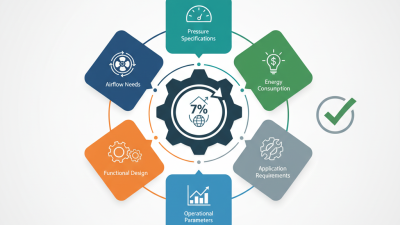
When selecting a Medium Pressure Blower, consider factors such as airflow capacity and energy efficiency. Compatibility with your system is also vital. Many industries rely heavily on these blowers for their reliability and performance. However, not all options are created equal. Each has unique features that might suit different needs. It’s important to analyze them carefully.
Moreover, companies can benefit from expert guidance when choosing a blower. There’s a wealth of information available about the best models on the market. However, buyers must stay informed about advancements and innovations. This ensures their investment remains reliable and efficient over time.
Definition and Importance of Medium Pressure Blowers in Industry
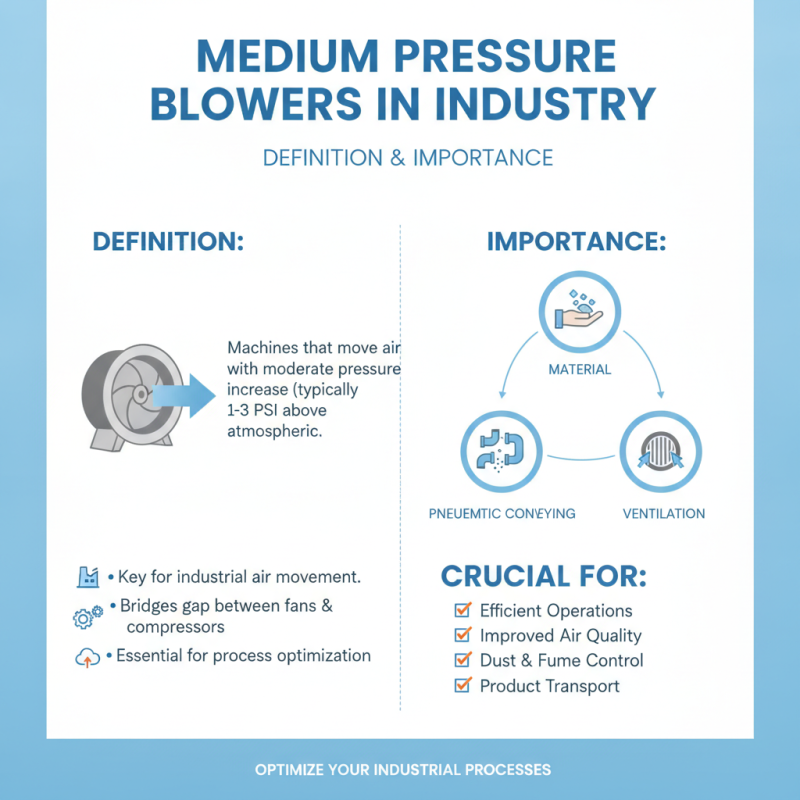
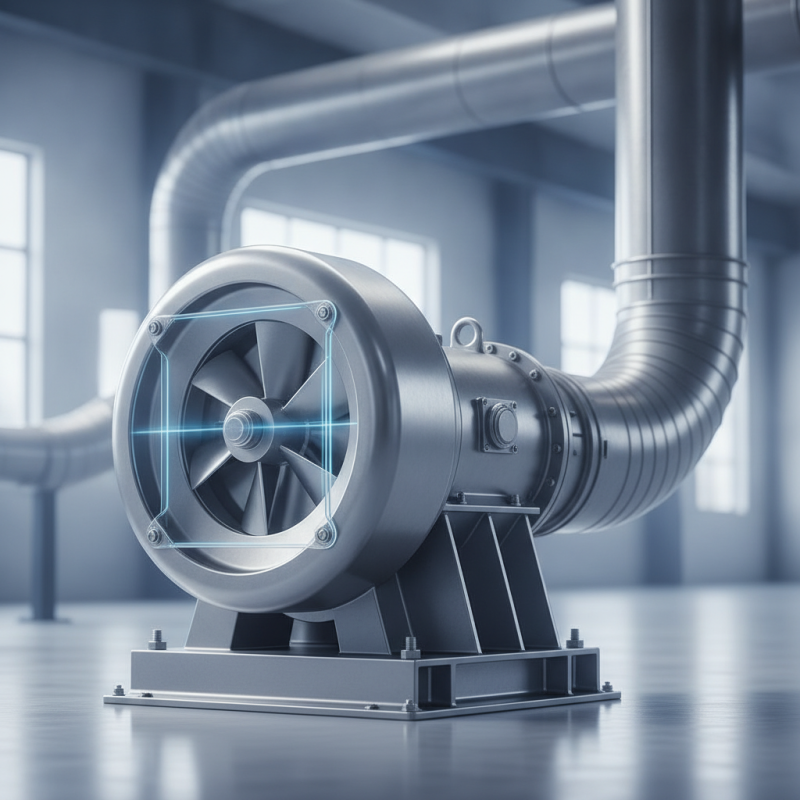
Medium pressure blowers are essential in various industrial applications. They provide efficient air movement required for processes like material handling, pneumatic conveying, and ventilation. Understanding the definition and importance of these blowers is crucial for optimizing operations in facilities.
Medium pressure blowers typically operate within a pressure range of 1 to 5 psi. This allows them to handle materials without damaging delicate substances. Their ability to maintain consistent airflow contributes significantly to productivity and energy efficiency in industrial settings. Proper sizing and selection can prevent issues such as excessive wear and tear.
Tips: Always assess your system’s specific requirements when choosing a blower. Conduct a thorough analysis of airflow, pressure needs, and potential obstructions in ductwork. Regular maintenance is vital. It helps to prolong the lifespan of blowers and ensures peak performance.
While medium pressure blowers are reliable, installation mistakes can occur. Undersized units may struggle to support intended applications, leading to inefficiency. Conversely, oversized blowers can lead to unnecessary energy consumption. It's important to involve a professional during the selection process to avoid these pitfalls. Evaluate and optimize your blower system to enhance industrial productivity.
Key Features to Consider When Selecting Medium Pressure Blowers
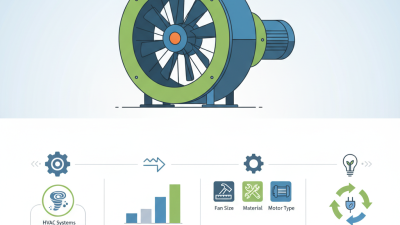
When selecting medium pressure blowers for industrial applications, it's essential to focus on key features. Efficiency is paramount. According to a recent industry report, energy consumption can account for up to 30% of a facility's operational costs. A blower that maximizes airflow while minimizing energy use is vital. Look for designs that offer a high flow rate with lower power input. This balance directly influences your bottom line.
Durability also matters. Medium pressure blowers operate in demanding environments. Materials should withstand corrosion and wear. Blowers made from high-quality metals can last longer and require less maintenance. Regular maintenance can cut downtime by up to 20%, as noted in industry studies. Pay attention to noise levels as well. Some blowers exceed acceptable sound limits, affecting worker comfort and regulatory compliance.
Consider the compatibility with existing systems too. Not all blowers fit seamlessly into every setup. A mismatch may lead to inefficiencies. A survey highlighted that nearly 15% of companies faced production disruptions due to inadequate airflow solutions. This illustrates the need to prioritize specifications that align with your current infrastructure. Always assess the total lifecycle cost, factoring in initial investment, maintenance, and operational efficiency.
Applications of Medium Pressure Blowers in Various Industrial Sectors
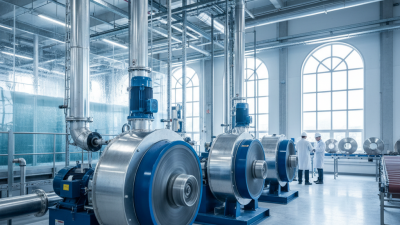
Medium pressure blowers play a vital role in various industrial applications. These blowers are designed to provide efficient airflow, making them suitable for transferring materials and supporting processes. In manufacturing, they can be used to enhance ventilation and cooling systems. This helps maintain optimal working conditions for employees and equipment.
In the wastewater treatment sector, medium pressure blowers are essential. They facilitate aeration processes, which are critical for breaking down organic material. Proper aeration helps in maintaining effective bacteria activity, crucial for the purification process. In the food industry, these blowers support pneumatic conveying. They aid in the movement of items like grains or powdered ingredients, ensuring smooth operations.
Despite their efficiency, industries often face challenges when integrating medium pressure blowers. The need for regular maintenance is one such concern. Over time, wear and tear can lead to performance issues. Identifying the right blower for specific applications can be tricky. Industries must assess airflow requirements, pressure needs, and energy efficiency. It's crucial to continuously evaluate performance and be open to improvements.
Comparative Analysis of Efficiency and Performance in Medium Pressure Blowers
When selecting medium pressure blowers for industrial use, efficiency and performance are key considerations. A recent industry report indicates that blowers with a pressure range of 4 to 10 psi typically achieve optimal performance in most applications. These blowers often operate with an energy efficiency rating of around 70-85%, which is crucial for reducing operational costs. Understanding the specific needs of your application will guide you in choosing the right model.
**Tip:** Always consider the noise levels. Some blowers may operate efficiently but can be excessively loud, impacting workplace comfort.
Another vital factor in performance analysis is the airflow rate, measured in cubic feet per minute (CFM). High-performance models can provide over 500 CFM while maintaining energy efficiency. However, slight inefficiencies are common, such as unexpected power usage spikes. Regular maintenance can mitigate these issues. Implementing predictive maintenance strategies can proactively address performance declines.
**Tip:** Regularly check for wear and tear. Minor fixes can prevent major failures down the line.
Comparative Analysis of Medium Pressure Blowers Efficiency