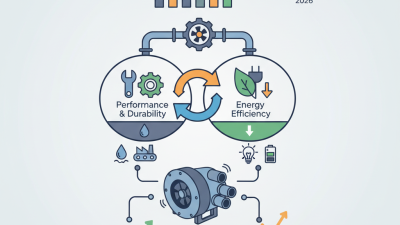
Choosing the best Regenerative Air Blower requires more than comparing catalog prices. It demands a clear understanding of airflow, pressure, operating conditions, and equipment reliability. In real installations, a blower may run for hours beside a warm machine room, exposed to dust, vibration, or restricted ventilation. These details can change performance significantly.
Start by defining the application precisely. Confirm the required airflow, pressure, inlet conditions, and duty cycle. A blower designed for pneumatic conveying may not suit wastewater aeration or vacuum lifting. Check the performance curve, not only the maximum rating. Maximum figures often describe ideal conditions. They may not reflect continuous operation.
Consider motor efficiency, noise level, cooling design, and maintenance access. Side-channel blowers with properly selected bearings and filters can provide dependable service. However, even a reputable model can fail when its inlet filter becomes blocked. That lesson is easy to overlook. It matters.
Professional selection also includes reviewing manufacturer documentation, test methods, warranty terms, and technical support. Look for clear data, traceable specifications, and application experience. When possible, consult an engineer who has tested similar systems under comparable loads. Field experience can reveal problems that brochures do not mention.
The right Regenerative Air Blower should meet present demands without operating at its limit. Allowing a practical safety margin can improve service life, but excessive capacity may waste energy. This guide examines the key factors, common selection errors, and realistic questions to ask before purchasing. A careful decision now can prevent costly interruptions later.
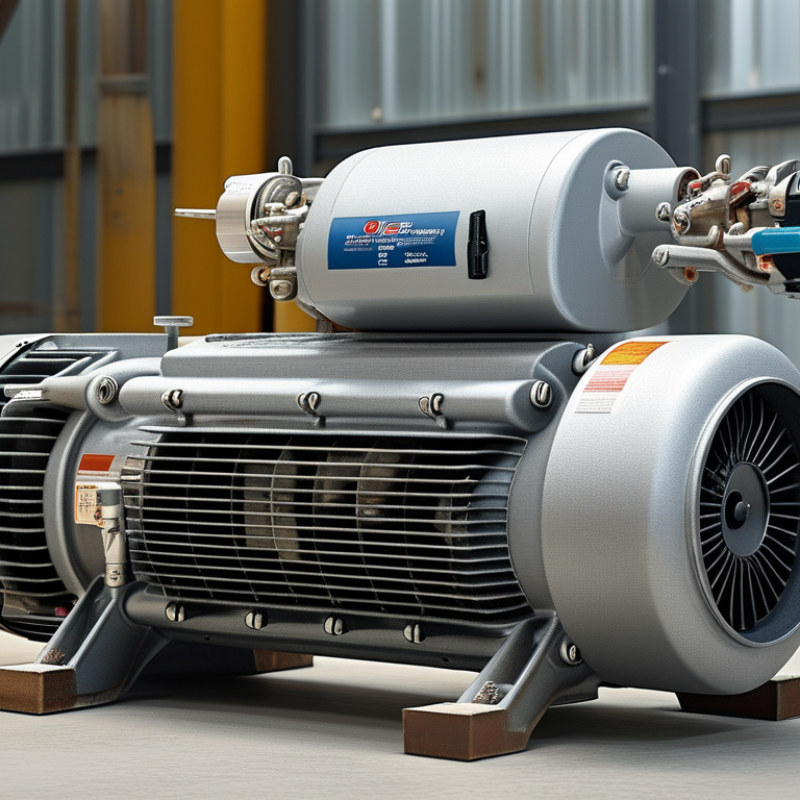
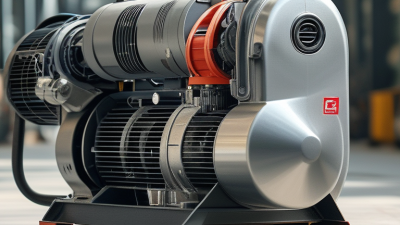
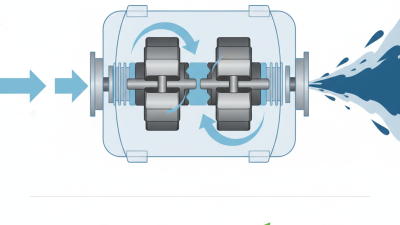
A regenerative air blower moves air through a fast-spinning impeller. Air enters near the center, then centrifugal force pushes it into a circular side channel. The air travels around this channel repeatedly. Each pass adds energy before the air leaves through the outlet. There is no oil-filled compression chamber. Contactless operation can reduce contamination risks and maintenance needs. The pressure rise is moderate, not unlimited.
Field technicians usually select these blowers by matching airflow and pressure at the same operating point. A larger motor does not automatically deliver better performance. Check the duty cycle, inlet temperature, altitude, moisture, and acceptable noise level. For aeration, vacuum lifting, packaging, or pneumatic conveying, small pressure losses can change the result. Measure the pipe length and fittings carefully. Details matter.
The U.S. Department of Energy’s Improving Compressed Air System Performance sourcebook reports that compressed air may consume 10–15% of industrial plant electricity. The Compressed Air and Gas Institute also identifies leakage and poor system design as major efficiency losses. That makes correct sizing important. A blower running far below its design point may waste power. A unit running near its limit may overheat. The simple rule is not perfect. Real systems fluctuate. Test actual flow and pressure, then compare measured power with the supplier’s performance curve. Allowing a small operating margin is usually wiser than choosing the largest available model.
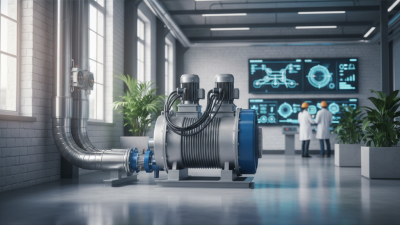
Before choosing a regenerative air blower, define the operating point clearly. Specify required airflow in cubic metres per hour and pressure or vacuum in kilopascals. These two values determine whether the blower can perform reliably. Do not size it from pipe diameter alone. Include the system’s altitude, gas temperature, moisture level, and expected operating hours. A blower running continuously needs different thermal and durability margins than one used for short cycles. Noise limits, available voltage, and installation space also matter. A compact unit may look practical, but poor cooling can reduce service life.
Tips: Measure pressure at the equipment inlet, not only at the blower outlet. Check filters, bends, valves, and silencers. Small restrictions can change the operating point.
Define the performance range, not just one ideal number. Ask how the blower behaves at minimum and maximum demand. Stable operation across that range is often more valuable than a peak rating. Confirm motor efficiency, control compatibility, and protection against overheating. For clean air, standard construction may be suitable. Dust, vapor, or corrosive gases require careful material and filtration decisions. Specifications can be misunderstood. For example, “maximum vacuum” does not mean the blower delivers rated airflow at that vacuum. Request a performance curve and compare it with measured system resistance. An honest review should also question uncertain data, because installation conditions rarely match laboratory testing perfectly.
Choosing a regenerative air blower starts with the duty point, not the catalog number. Compare pressure, airflow, operating hours, and gas temperature under real conditions. A regenerative unit suits clean, moderate-pressure air. Positive-displacement blowers handle steadier pressure demands. Centrifugal designs may be more efficient at high, continuous flow. The wrong comparison can waste energy.
Materials matter in harsh environments. Cast aluminum keeps weight and cost moderate, while stainless steel better resists moisture and chemical exposure. Engineering polymers can reduce corrosion, but temperature limits require careful checking. Review the impeller, housing, seals, and inlet filter separately. One material rarely solves every problem. The U.S. Department of Energy reports that compressed-air leaks can waste 20–30% of compressor output, so blower efficiency alone is not enough. Inspect piping, valves, and leaks before sizing equipment. Small leaks become expensive.
Configuration changes performance. Single-stage units are often suitable for lighter pressure duties. Two-stage arrangements can provide higher pressure, but they may add heat and maintenance points. Compare direct-drive and belt-drive layouts, then check noise, cooling clearance, and service access. CAGI performance data sheets provide a useful framework for comparing airflow, pressure, power, and sound levels under stated conditions. However, test conditions may not match your plant. That is the uncomfortable part. A tidy spreadsheet can still mislead. Leave operating margin, but avoid oversized motors. Oversizing often creates poor control and unnecessary power consumption.
Choosing a regenerative air blower starts with the operating point, not the catalog headline. Match required airflow and pressure to actual process demand. A blower running far from its efficient range wastes power and creates heat. Check motor input, air temperature, altitude, and duty cycle before comparing models. In field checks, a power meter often reveals differences that product tables hide. Small leaks matter too. A loose hose can make an efficient blower look inefficient.
Noise needs measurement, not guesswork. Ask for sound data at a stated distance and operating load. Listen near the inlet, outlet, and motor housing. High-pitched whine may indicate restriction, imbalance, or worn bearings. Mounting also matters; a rigid frame can transmit vibration into walls. For maintenance, inspect filters, seals, cooling paths, and relief devices on a written schedule. Access panels should open without dismantling half the system. This detail seems minor, until production stops.
Tips: Compare energy use across a full shift, not during a short demonstration. Record vibration, temperature, and pressure readings as baseline evidence. Require documented testing, service intervals, and spare-part availability. Reliability claims deserve questions: What is the test duration? Under what load? I have seen installations fail because “continuous duty” was interpreted too broadly. That phrase needs context. Leave a safety margin, but avoid oversizing; extra capacity can increase noise and operating cost.
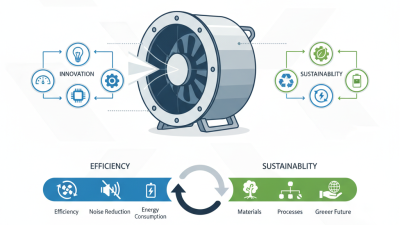
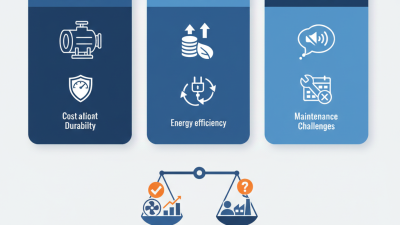
Evaluate efficiency, noise, maintenance requirements, and reliability together rather than selecting a blower by pressure alone.
The chart shows representative non-brand industrial benchmark ranges at increasing pressure rise. Efficiency generally decreases as pressure increases, while acoustic level rises and practical inspection intervals and service life may shorten under heavier loading. Actual values depend on airflow, inlet temperature, installation, motor selection, filtration, and maintenance conditions.
Selecting the right regenerative air blower starts with your application, not the catalog price. Define required airflow, pressure, operating hours, noise limits, and installation conditions. A unit delivering 100 m³/h at low pressure may fail when the process requires stable vacuum. Check the performance curve at your actual operating point. Do not rely only on the maximum rating.
Lifecycle cost deserves equal attention. The U.S. Department of Energy’s Improving Fan System Performance sourcebook identifies fan systems as a significant industrial electricity load. Its guidance emphasizes matching equipment to demand and reducing system resistance. In practice, a slightly larger motor can waste energy if throttled continuously. A smaller unit can overheat or miss production targets. Review motor efficiency, filter pressure loss, maintenance access, and expected service hours. Request test data based on recognized performance standards, such as ISO 1217 where applicable. This adds confidence, although test conditions may not match your factory perfectly.
Tips: Compare annual energy cost before purchase. Measure piping losses on site. Include spare parts and downtime in your budget. Keep a 10–15% operating margin, but question oversized selections. I have seen “safe” oversizing create unnecessary noise and power use. That assumption deserves a second look. Choose a model that meets the duty point efficiently, with controls suited to changing demand. A supplier’s technical support matters too, especially during commissioning and troubleshooting.