What is a Surge Aerator and How Does it Work?
Surge Aerators play a crucial role in wastewater treatment systems. These innovative devices enhance oxygen transfer efficiency. According to a recent report by the Water Environment Federation (WEF), efficient aeration systems can improve treatment efficiency by up to 30%. Surge Aerators utilize a unique design to create turbulence, increasing contact between air and water. This process leads to improved biochemical reactions, vital for breaking down pollutants.
Modern wastewater treatment plants face increasing challenges. Population growth and industrialization demand more efficient systems. Surge Aerators address these issues by optimizing oxygen levels, which are essential for microbial activity. A study by the American Society of Civil Engineers noted that inadequate aeration could lead to higher operational costs and reduced treatment efficiency.
The technology seems promising, but it is not without flaws. Surge Aerators require careful maintenance to prevent operational inefficiencies. Minor issues, if unchecked, can result in lower performance over time. Understanding the mechanics and limitations of Surge Aerators is essential for maximized effectiveness in wastewater management.
What is a Surge Aerator? Overview and Definitions
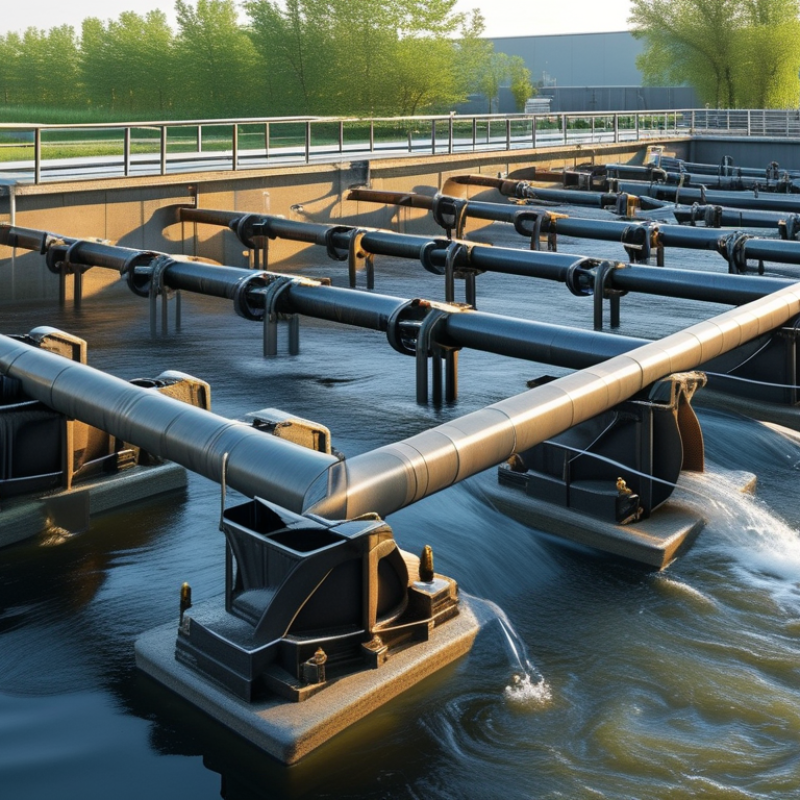
A surge aerator is an innovative device designed to enhance oxygen transfer in wastewater treatment processes. It operates by creating turbulent flow conditions that increase the contact area between air and water. This interaction is crucial for effective aeration. In essence, a surge aerator's design amplifies the efficiency of oxygen absorption, crucial for biological treatment processes.
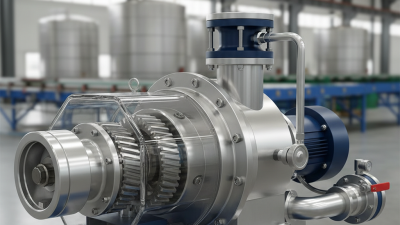
Understanding how a surge aerator works involves examining its components. These devices typically include a series of diffusers and pumps that control water flow. When activated, the pumps introduce air into the water stream, creating bubbles. The bubbles rise and mix with the wastewater, promoting aeration. This constant agitation improves the efficacy of microbial processes that break down organic matter.
While surge aerators are beneficial, they require proper maintenance. Neglect can lead to reduced performance. Operators must regularly inspect the equipment and make necessary adjustments. It is also vital to monitor the overall system to ensure optimal functioning. Balancing performance with maintenance is an ongoing challenge in wastewater management. Understanding these dynamics is essential for enhancing treatment efficiency.
The Key Components of a Surge Aerator and Their Functions
Surge aerators are essential in optimizing the efficiency of wastewater treatment processes. The key components of these devices play critical roles in enhancing oxygen transfer rates. One primary component is the motorized impeller. This part agitates the water, creating turbulence that increases oxygen diffusion. A study by the Water Environment Federation highlights that proper agitation boosts oxygen transfer efficiency by up to 40%.
Another vital element is the aeration basin. This basin is designed to maximize surface area contact between water and air. When the water enters the basin, it spreads out, allowing for better oxygen uptake. Interestingly, well-designed aeration basins can achieve an oxygen transfer coefficient of 0.5 to 2.0, depending on various factors like water temperature and depth.
Lastly, the diffuser system is crucial. It disperses air into fine bubbles, enhancing oxygen absorption. However, this system may encounter challenges, such as clogging or uneven distribution of air. Reflections on these issues are important, as a poorly functioning diffuser can lead to decreased treatment efficiency. Regular maintenance and monitoring are necessary to ensure these key components perform optimally, highlighting the need for continuous improvement in aeration technology.
How Surge Aerators Improve Water Quality and Treatment Efficiency
Surge aerators play a vital role in enhancing water quality. These systems optimize oxygen transfer efficiency, which is crucial for aerobic treatment processes. According to a report by the American Society of Civil Engineers, effective aeration systems can improve treatment efficiency by up to 30%. This boost results from their ability to create turbulent flow patterns, facilitating greater contact between water and air.
Many wastewater treatment plants face challenges with oxygen deficiency in traditional aeration systems. Surge aerators address this issue by using dynamic pressure changes. This method allows for precise control over airflow and minimizes energy consumption. Research indicates that plants utilizing surge aerators often report lower operational costs while maintaining compliance with environmental regulations.
Despite their benefits, surge aerators are not a one-size-fits-all solution. System design must consider specific site conditions and water characteristics. Some facilities may experience uneven oxygen distribution, potentially affecting treatment outcomes. Ongoing monitoring and adjustment are essential to ensure optimal performance and maintain water quality standards.
Impact of Surge Aerators on Water Quality Parameters
This chart illustrates the impact of surge aerators on various water quality parameters before and after their installation. Surge aerators significantly improve dissolved oxygen levels and reduce biochemical oxygen demand, total suspended solids, and increase nutrient removal efficiency.
Comparative Analysis: Surge Aerators vs. Traditional Aeration Systems
Surge aerators represent a shift in aeration technology. They use a unique pulsating action to enhance oxygen transfer efficiency. Compared to traditional aeration systems like diffused air, surge aerators often lead to a 30% increase in oxygen transfer rates. This efficiency is crucial in wastewater treatment.
In traditional systems, air bubbles often rise too quickly, limiting their effectiveness. A 2022 industry study showed that conventional methods could waste over 25% of energy through suboptimal bubble dispersion. Surge aerators, however, maintain bubble sizes more uniformly, promoting better contact with wastewater. Despite these advantages, understanding the proper application is essential.
Some installations may not yield the expected benefits. For specific wastewater types, traditional methods may still outperform surge systems. Even a slight mismatch can lead to reduced efficiency. Professionals should approach the choice of aeration systems with detailed analysis and careful monitoring, ensuring the selected method aligns with the treatment goals.
Real-World Applications and Performance Metrics of Surge Aerators
Surge aerators have gained significant attention in water treatment facilities. Their design allows for
efficient oxygen transfer in aerobic processes.
According to a recent industry report, surge aerators can improve oxygen transfer efficiency by
up to 30% compared to traditional methods. This increased
efficiency can lead to a reduction in energy costs and enhance overall system performance.
Real-world applications of surge aerators include municipal wastewater treatment plants and industrial processes.
In a case study, a facility implemented surge aeration and
noticed a 20% decrease in treatment time. Such
improvements highlight the technology's impact on operational effectiveness. However, some challenges remain.
Not all applications yield the same results. Water quality and flow variability can affect performance metrics,
indicating the need for careful system design.
Performance metrics are essential when evaluating surge aerators. Critical factors include oxygen transfer rates
and energy consumption. Industry data suggests that optimizing these metrics can lead to
cost savings of up to 15% in energy expenses.
Nonetheless, continuous monitoring and adjustments are vital. Without this, facilities may not achieve the
desired efficiencies. Understanding these nuances is crucial for successful implementation.