Why Choose a High Pressure Ring Blower?
Choosing the right High Pressure Ring Blower begins with a real operating problem, not a product label. In a workshop, the difference appears quickly: stable suction, cleaner filters, quieter ducts, and fewer emergency shutdowns. These blowers support pneumatic conveying, wastewater aeration, packaging machines, vacuum lifting, and industrial drying. Their compact side-channel design can deliver continuous, oil-free airflow with limited routine maintenance.
Heinz P. Bloch, a widely cited machinery reliability expert, wrote, “Reliability is designed in, not inspected in.” That principle matters here. A High Pressure Ring Blower should match the required pressure, airflow, operating temperature, and duty cycle. A unit selected only by motor power may overheat, waste electricity, or fail to reach the process target. Pressure losses inside bends and narrow hoses are easy to underestimate.
Measure the system.
Look at the whole installation. Check inlet filters, silencers, valves, pipe length, and elevation changes. Confirm whether the process needs positive pressure, vacuum, or both. A frequency inverter may improve control, but it cannot correct an incorrectly sized blower. Noise levels also deserve attention, especially near operators.
The choice is not always obvious. Some applications need a stronger blower, while others need better duct design. Energy consumption should be reviewed over a full production year, not during one short test. Manufacturers should provide performance curves, material details, thermal limits, and maintenance guidance. Independent engineering review adds confidence. Even experienced teams can miss a small restriction that changes the final result.
What Is a High Pressure Ring Blower?
What Is a High Pressure Ring Blower?
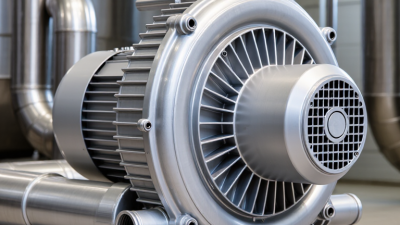
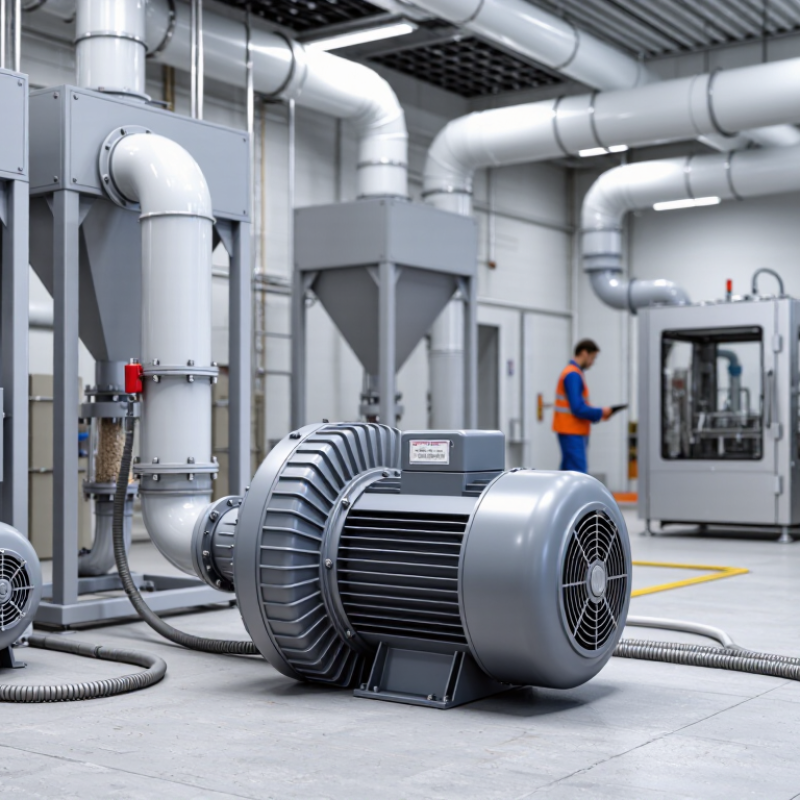
A high pressure ring blower is a compact air-moving machine that creates continuous airflow at elevated pressure. It uses a fast-spinning impeller inside a ring-shaped housing. Air enters through the inlet, moves around the ring, and gains pressure through repeated acceleration. The process is oil-free in many designs, which helps protect the working air from contamination.
These blowers support vacuum lifting, pneumatic conveying, wastewater aeration, packaging, and drying systems. They are useful when equipment needs steady airflow without complex lubrication systems. In practical installations, technicians often check pressure, flow rate, motor load, and operating temperature. A blower may sound quiet in a showroom but become noticeably louder near metal walls. That detail is easy to overlook.
Tips: Match the blower to the system’s real pressure loss, not only the advertised airflow. Keep filters clean and inspect hoses for cracks. Excessive backpressure can raise heat and shorten motor life. In my experience, selecting a larger unit “for safety” is not always better. It may waste energy and create unnecessary noise. Leave space around the housing, follow the manufacturer’s service guidance, and measure performance after installation. Small adjustments can reveal whether the system is truly balanced.
Why Choose a High Pressure Ring Blower?
What Is a High Pressure Ring Blower?
A high pressure ring blower is a centrifugal air-moving device designed to provide continuous, oil-free airflow at higher pressure levels than a standard ventilation fan. The chart below converts common pressure requirements from millibars into kilopascals and pounds per square inch for easier system selection.
Pressure conversion used in the chart: 1 bar = 100 kPa = 1,000 mbar = 14.5038 psi. Actual blower performance depends on airflow, impeller design, motor speed, inlet conditions, and system resistance, so the final selection should be based on a complete pressure-flow curve.
How Does a High Pressure Ring Blower Work?
Why Choose a High Pressure Ring Blower?
How Does a High Pressure Ring Blower Work?
A high pressure ring blower uses a motor to spin an impeller inside a precisely shaped housing. As the impeller rotates, its curved blades pull air through the inlet. The air moves outward because of centrifugal force. It then travels through a ring-shaped channel before returning to the blades.
This repeated circulation increases air velocity and pressure without using oil in the airflow. The outlet delivers a steady stream for vacuum lifting, aeration, pneumatic conveying, or drying. Performance depends on system resistance, pipe length, filter condition, and outlet size. A restricted line can raise pressure, but it can also increase motor heat. That detail is sometimes overlooked.
The process is simple, but real installations are less predictable. Dust, moisture, and small leaks can change results. A pressure gauge and airflow meter provide better evidence than sound alone. The blower may sound healthy while delivering weak airflow. That can be an early warning.
Tips: Keep the inlet filter clean and inspect it regularly. Use flexible connections to reduce vibration transfer. Check operating pressure against the equipment data sheet. Leave enough ventilation around the motor. If the casing becomes unusually hot, stop and investigate before continuing.
What Performance Benefits Does It Provide?
Why Choose a High Pressure Ring Blower?
A high pressure ring blower delivers steady, oil-free airflow for aeration, vacuum lifting, pneumatic conveying, and drying. Its impeller creates pressure without lubricating the air stream. This matters where product contamination is unacceptable. In practical testing, operators often notice smoother airflow and fewer pressure fluctuations than with basic fan systems.
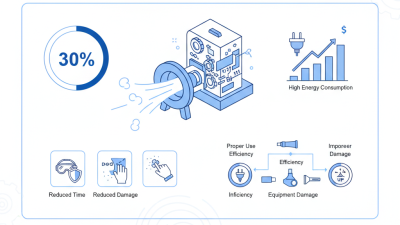
The performance benefit is measurable. The U.S. Department of Energy reports that compressed-air systems can consume 10–15% of industrial electricity. It also estimates that leaks may waste 20–30% of compressor output. A ring blower can reduce these losses when correctly sized and operated near its efficient working point. European Commission energy studies also identify motor systems as major industrial electricity users. Variable-speed control can reduce unnecessary output, though results depend on duty cycles, pipe resistance, and maintenance. The trade-off is easy to overlook. Higher pressure usually means higher power demand.
Tips:
Check the pressure-flow curve before purchasing. Measure actual backpressure, not only the required airflow. Clean intake filters regularly. Inspect hoses and seals for leaks. A technician should verify operating temperature and motor loading. Do not assume a larger blower performs better; oversizing may create heat, noise, and wasted electricity. Noise can also become a workplace issue. Performance claims need field measurements. That part is often less impressive, but more reliable.
How Should You Choose the Right Ring Blower?
Choosing the right high pressure ring blower begins with the real operating point, not the maximum value on a brochure. Measure the required airflow and pressure at the same time. A blower may deliver impressive pressure, yet provide insufficient airflow through long, narrow piping. The first estimate is often wrong.
Review the performance curve carefully. Select a unit that reaches your target near its efficient operating range. Avoid sizing only for peak demand, because an oversized motor can waste energy and create unnecessary noise. Check continuous-duty ratings, inlet temperature, ambient conditions, and available voltage. A filter, silencer, or sudden pipe bend can significantly increase system resistance.
Consider the installation environment as well. Dusty air requires suitable filtration, while moisture may demand corrosion-resistant construction. Confirm the protection rating and motor cooling method before purchase. Measure sound levels where people work, not only beside the blower. Small details matter.
A practical trial helps. Test airflow at the farthest outlet, inspect vibration after several hours, and record motor current under normal load. If the blower runs hot or the pressure fluctuates, the system design may need adjustment. Choosing by catalog data alone seems convenient, but it can hide costly mistakes. Reliable selection combines calculations, site measurements, and advice from qualified technical personnel.