


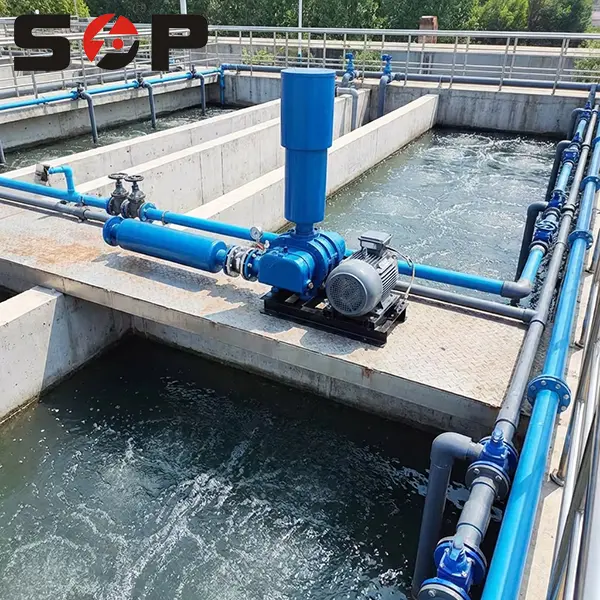


Industry News

Centrifugal Fans for Commercial Kitchen Fume Exhaust
Centrifugal fans stand as the core ventilation equipment for commercial kitchen fume exhaust systems, widely adopted in restaurants, hotel canteens, food processing workshops and catering service centers. Unlike ordinary axial roof fans, they rely on centrifugal force generated by high-speed rotating impellers to suck away oil fume, cooking odor, water vapor and harmful particulate matter efficiently, delivering stable, powerful air pressure that perfectly overcomes resistance from long exhaust pipelines, oil filters and purification devices.

Double Speed Aerator: The Flexible Workhorse That’s Rewriting Daily Operations for Water Teams
If you’ve ever stood by an aeration tank at full tilt, watching power bills climb even when the water doesn’t need that much oxygen, you already know the frustration that double speed aerators were built to fix. This isn’t just another minor upgrade — it’s a shift that’s making day-to-day life far easier for everyone running aquaculture or wastewater systems.
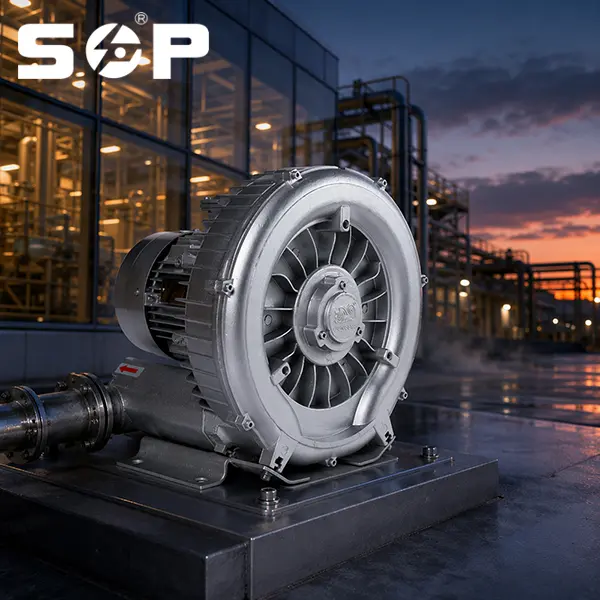
Why Regenerative Blowers Are Quietly Becoming the Workhorse of Modern Industry
The global regenerative blower market was valued at approximately USD 950 million in 2025 and is on track to reach over USD 1 billion by 2026, with analysts projecting growth to USD 1.53 billion by 2036 at a CAGR of 3.8%. In the industrial segment, growth rates of 8.2% annually have been reported, driven by adoption in sectors that never used to consider this technology a first choice.

Bottom Aeration Aerator: The Quiet Game-Changer Reshaping Aquaculture and Wastewater Treatment
If you’ve spent any time around aquaculture ponds or wastewater treatment facilities lately, you’ve probably noticed a quiet shift happening. More operators are ditching traditional surface aerators and turning to bottom aeration aerators, and it’s not hard to see why.

Roots Blower vs Ring Blower: Which One Is Right for Your Application?
If you've ever searched for a blower and ended up confused by the options, you're not alone. Roots blowers and ring blowers are two of the most commonly purchased types of industrial blowers — but they work in completely different ways, and choosing the wrong one can cost you money, efficiency, and headaches.
This guide breaks down the key differences so you can make the right call before placing an order.

Regenerative Blowers Gain Traction as a Game-Changer for Wastewater Treatment Aeration
Across municipal and industrial wastewater treatment sites, plant operators are quietly shifting their focus to regenerative blowers as a practical fix for one of their most persistent pain points: high energy use tied to aeration systems. For years, many facilities have relied on older blower setups that eat up a huge share of their daily power budget, often leading to tight operational margins and unexpected downtime during peak processing periods.

Side Channel Blowers: The Unsung Efficiency Overhaul for Modern Large-Scale Factories
If you’ve spent time on a large factory floor lately, you’ve probably noticed a quiet shift in how operations teams talk about their air systems. Side channel blowers are no longer tucked away as a niche, afterthought piece of equipment — they’re now front and center in the upgrades that plant managers are rolling out to make their facilities run smoother, and the difference is hard to miss.

Centrifugal Air Blowers Step Up to Meet Modern Railway Platform Ventilation Demands
Railway platforms have always been one of the busiest public transit spaces, where thousands of passengers pass through every hour, and stale air, accumulated heat, and occasional fumes from passing trains can quickly make the space feel stuffy and uncomfortable. That is why more transit operators are now turning to centrifugal air blowers as a reliable, go-to solution to keep these areas well-ventilated around the clock.

6 Impeller Paddle Wheel Aerator Gains Traction Among Small to Mid-Scale Aquaculture Farms
A quiet shift is unfolding across regional aquaculture communities, as more independent pond operators are swapping their older aeration setups for 6 impeller paddle wheel aerators this growing season.

4 Impeller Paddle Wheel Aerator Catches On As Shrimp And Fish Farms Chase More Reliable Aeration
I was chatting with a group of aquaculture operators at a regional farm expo last week, and the 4 impeller paddle wheel aerator came up in almost every conversation. For years, most small to mid-sized farms have been making do with older two-impeller models that sputter out uneven oxygen, burn out motors fast, and leave huge dead zones in the middle of their ponds. Now that more teams are testing the four-impeller setup, it’s quickly turning into the go-to upgrade for anyone tired of fighting inconsistent water quality through peak growing seasons.